
View Quick Summary
Sound is a core element of interior design. Acoustic design controls how sound behaves in your home - hard surfaces reflect noise while soft materials absorb it. From intentional music placement and inclusive design for hearing disabilities to displaying instruments and memorabilia as art, how your home sounds shapes mood, communication, and identity just as much as how it looks.
The Role of Sound in Interior Design: Shaping How Your Home Sounds
When most people think about interior design, they picture paint colors, furniture layouts, and lighting. But there is one dimension of the home experience that often goes completely overlooked - sound. The way your home sounds is just as important as the way it looks. From the acoustics of a living room to the gentle hum of your favorite playlist, sound shapes our mood, productivity, relationships, and even our sense of safety. It is time to start treating sound as a core element of thoughtful interior design.
What Is Acoustic Design, and Why Does It Matter?
Acoustic design is the practice of controlling how sound behaves within a space. Every room in your home has its own sonic personality. A tiled bathroom will echo dramatically, while a bedroom lined with carpet and soft textiles will absorb sound and feel calm and private. These differences are not accidental; they are the result of the design materials, surfaces, and layout choices that define each room.
Hard surfaces like glass, concrete, and stone reflect sound waves, creating echoes and reverberation. Soft materials like carpet, curtains, upholstered furniture, and wall art absorb those sound waves, reducing noise and creating a quieter, more comfortable atmosphere. Understanding this basic principle is the foundation of designing a home that not only looks stunning but also feels right the moment you walk in.
Poor acoustics can lead to frustration without people even realizing the source. Conversations that feel muffled, music that sounds muddy, or a living room where every footstep is heard are all signs that sound has not been considered in the design process. Investing in acoustic awareness is one of the simplest ways to elevate the overall quality of your living environment.
Designing for Music: Bringing Sound Into the Home Intentionally
Music has the power to transform any space. It sets the tone for a dinner party, fuels a workout, eases the stress of an after-work wind-down, and creates a sense of warmth and life in even the most minimalist room. But integrating music into your home goes beyond simply owning a good speaker system. It means designing around sound.
When planning a home audio setup, consider the acoustics of each room. A kitchen with hard countertops and tile flooring will need different speaker placement than a carpeted living room. Built-in sound systems, ceiling speakers, and even strategically placed portable speakers can distribute audio evenly without overpowering conversation or drowning out other ambient sounds.
Think about zoning as well. A home office benefits from subtle, ambient sound like lo-fi beats or nature sounds which support focus. A lounge area might call for fuller, richer audio to set a relaxed social mood. By intentionally pairing music with the purpose of each space, you create an environment where sound serves the people living in it rather than competing for attention.
Sound and Communication: Designing for Clarity and Connection
One of the most undervalued aspects of home acoustics is how they affect communication. In a home with poor sound management, conversations become strained. People talk over each other, repeat themselves, or simply give up and resort to texting from room to room. This is especially true in open-plan living spaces, which have become increasingly popular in modern design but can be acoustically challenging.
Designing for clear communication means thinking about sound separation between spaces. Strategic use of partial walls, bookshelves, soft furnishings, and even indoor plants can help reduce sound travel without fully closing off an open layout. Area rugs, heavy curtains, and upholstered seating all play a role in softening the acoustic environment and making conversation feel natural and comfortable.
This becomes even more critical in homes where people work remotely. A home office that bleeds sound into a shared living area — or vice versa — can destroy productivity and peace of mind. Acoustic panels, sound-absorbing wall treatments, and even double-glazed or insulated door options can make a significant difference in creating spaces where people can focus, connect, have private conversations, and communicate on their own terms.
Hearing and Communication Disabilities: Designing an Inclusive Home
For individuals living with hearing or communication disabilities, the acoustic environment of a home is not just a matter of comfort - it is a matter of accessibility and independence. Thoughtful interior design can make a meaningful difference in the daily lives of people who are deaf, hard of hearing, or living with speech or processing disorders.
Visual cues are one of the most important tools in inclusive acoustic design. Visual alert systems for doorbells, alarms, and phone calls can be integrated seamlessly into modern smart home setups. Lighting that responds to sound - such as a lamp that brightens when someone knocks, bridges the gap between an auditory world and a visual one.
Beyond technology, the physical design of the space matters enormously. Reducing background noise through better insulation, softer furnishings, and thoughtful material choices creates a cleaner sonic environment that is easier to navigate for anyone using hearing aids or cochlear implants. Reflective surfaces can also be used strategically to help sound travel more clearly in certain directions, aiding lip-reading and assisted listening.
As equally important, sound or white noise machines will help people that hear everything rest easier.
Designing with inclusivity in mind is not about building a home that looks or feels different. It is about ensuring that every person within the space feels comfortable, supported, and fully able to engage with their surroundings.
Sound as Art: Instruments, Memorabilia, and the Sonic Identity of Your Home
Sound does not have to be invisible. One of the most creative and personal ways to honor the role of sound in your home is to make it a visible, tangible part of your décor. Musical instruments, whether actively played or displayed as art pieces, bring both visual beauty and cultural richness to a space.
A vintage guitar mounted on a living room wall tells a story. A piano positioned thoughtfully in an open space becomes a stunning focal point as well as a source of music. Even smaller instruments like a set of hand drums on a shelf, a beautifully crafted ukulele resting on a side table add warmth, character, and a sense of life to any room.
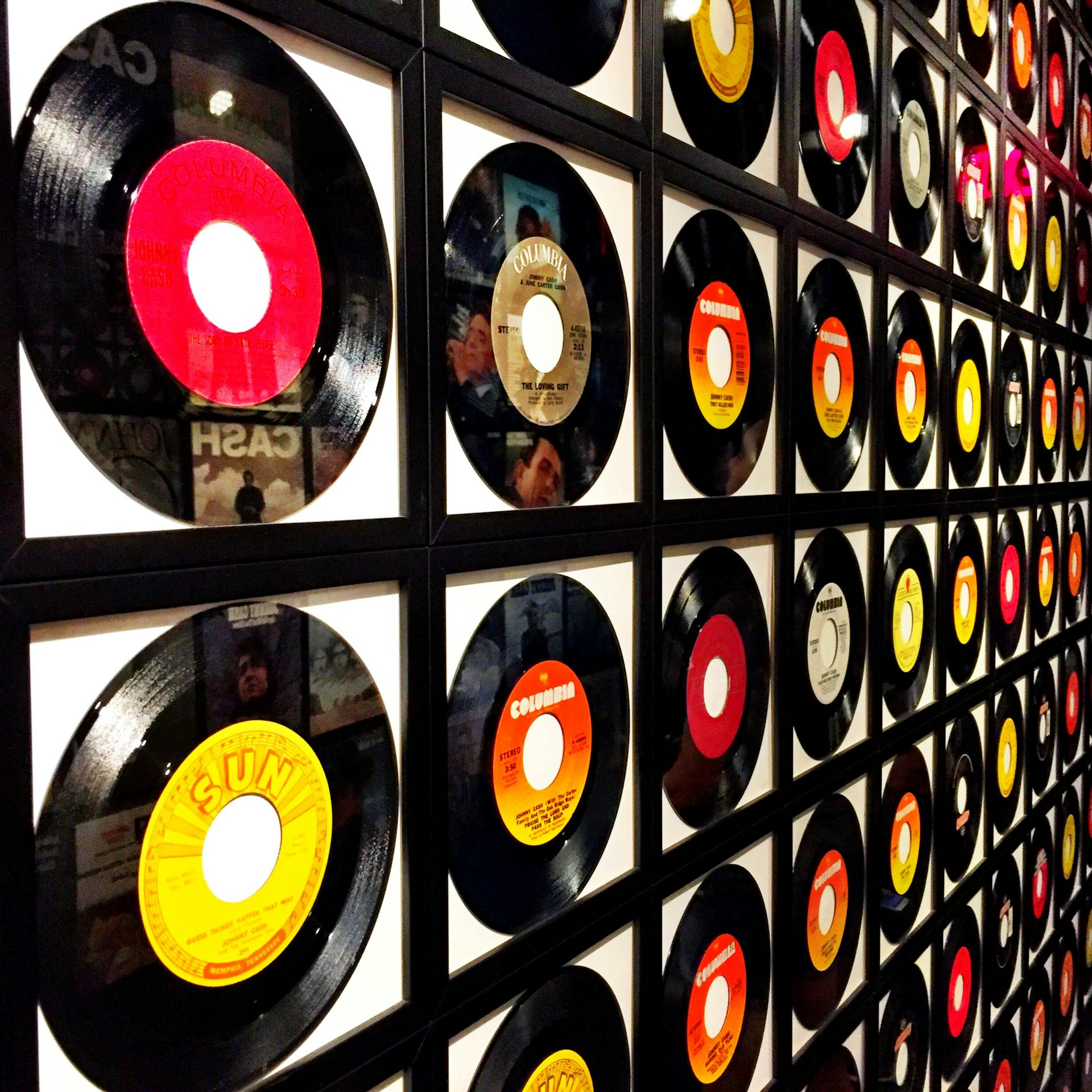
Beyond instruments, music memorabilia offers another avenue for expression. Framed concert posters, vinyl records displayed as wall art, or even a curated collection of album covers can transform a room into a celebration of the sounds that matter most to the people who live there. These pieces do more than decorate - they communicate identity, spark conversation, and create an emotional connection to the space.
The concept of a "sonic identity" for your home is becoming an increasingly recognized idea in design. Just as you might choose a color palette or a furniture style that reflects your personality, the sounds you allow and encourage in your home as well as the music you play, the instruments you keep, the way sound moves through your rooms, all contribute to a living environment that is uniquely yours.
Final Thoughts: Sound Is the Missing Piece
Interior design has long celebrated the visual, but the most immersive and emotionally resonant homes are the ones that engage all the senses. Sound is not background noise to be tolerated; it is a design element to be shaped, curated, and celebrated. Whether you are improving the acoustics of a single room, building a home audio and security system around your lifestyle, designing for accessibility, or expressing yourself through musical art and memorabilia, sound deserves a place at the table.
The next time you walk into a beautifully designed room, close your eyes and listen. You might just discover that the way a space sounds tells you just as much about its design as anything you can see.
Check Out Some Of Our Other Blogs



Ready to Love Your Home Again?
Stop living with spaces that don't work for you. Whether you need a complete redesign or just some expert guidance, We're here to help create the home you've always wanted.
Let's Create Your Dream Space
Ready to transform your home? Share your vision and we'll show you how we can bring it to life. Whether you're updating a single room or reimagining your entire space, we'll guide you through every step of the design process.