
.jpg)
View Quick Summary
Sustainable residential design in 2026 means making intentional choices at every stage of a project. Key strategies include repurposing existing furniture, specifying reclaimed wood and natural materials, designing layered LED lighting systems, and integrating energy-efficient HVAC and water-saving fixtures. Biophilic elements and native landscaping reduce environmental impact while enhancing livability. Designing for longevity — choosing timeless materials over trends - is the most sustainable investment a homeowner can make.
Designing for the Future: Fresh Ways to Embrace Sustainability in Your Home Right Now
Sustainability in residential design has moved well past the realm of recycled glass countertops and bamboo flooring. In 2026, it's a full design philosophy - one that touches every decision you make in a space, from the materials you specify to the systems hidden behind the walls. And the good news for homeowners? Sustainable choices have never been more beautiful, more available, or more cost-effective.
Whether you're planning a full renovation, refreshing a single room, or simply curious about where to start, here's a look at the most relevant and impactful ways to bring sustainability into your home this year.
Start With What You Already Have
The most sustainable design decision you can make is not buying something new. Before any project begins, a thoughtful designer will take inventory of what can be kept, repurposed, or reimagined. That antique dresser? It could become a vanity. Those solid wood kitchen cabinets you're tired of? They may be perfect candidates for a fresh paint finish and new hardware rather than a full replacement.
Reusing and reupholstering furniture have become a genuine design statement in 2026 rather than a budget compromise. High-quality vintage and antique pieces carry character that new furniture simply can't replicate, and keeping them out of landfills is a meaningful win. Working with what exists also tends to push creativity in the best possible direction.
Specify Materials Intentionally
Material selection is where residential designers have the most direct impact on a project's sustainability footprint. The industry has responded to growing demand with an impressive range of options that perform beautifully and carry a lighter environmental load.
Reclaimed wood continues to be one of the most sought-after sustainable materials. It has uses from flooring to ceiling beams, accent walls, and furniture. Each piece carries history and variation that manufactured wood simply can't replicate. For cabinetry and millwork, look for FSC-certified wood, which confirms responsible forestry practices from source to finish.
Natural materials like linen, wool, jute, and cotton are not only better for your health, but they are also having a strong design moment and offer a lower environmental impact than synthetic textiles — particularly important in upholstery, drapery, and area rugs, which are often replaced more frequently than hard finishes. When synthetics are necessary, recycled content options (like carpet tiles made from reclaimed plastic) have improved dramatically in quality and design range.
For countertops, recycled glass, reclaimed stone, and paper composite surfaces offer compelling alternatives have stunning results. If you prefer natural stone, try getting something that is quarried relatively close to you. Low-VOC paints and finishes are now the standard rather than the exception, improving indoor air quality alongside environmental impact.
Design Lighting That Works Smarter
Lighting design is one of the highest-leverage areas for sustainability in a home, and in 2026 the technology has finally caught up with the design ambitions. LED fixtures now come in every color temperature, form factor, and style category imaginable; there is no longer a design compromise in choosing energy-efficient lighting.
Layered lighting design - combining ambient, task, and accent sources, allows homeowners to use only what they need in each moment rather than lighting an entire room to full brightness at all times. Dimmer controls and smart lighting systems take this further, learning usage patterns and adjusting automatically.
Natural light is the most sustainable light source of all, and it's worth designing around it intentionally. Thoughtful window placement, the use of mirrors to distribute daylight deeper into a space, and lighter interior finishes that reflect rather than absorb light all reduce the hours per day that artificial lighting is needed. One I've seen in design is Lutron Caseta (please do your own research).
Integrate Sustainable Systems Into the Design
A truly sustainable home considers what's behind the walls as much as what's in front of them. As a designer, being familiar with the systems side of residential construction makes you a more valuable partner to your clients and opens conversations that can shape a project's long-term performance significantly.
Heat pump HVAC systems have matured to where they outperform traditional heating and cooling in most climates, including Texas. Smart thermostats and zoned systems ensure that conditioned air goes where it's needed rather than throughout an entire home uniformly. These are specifiable decisions that a designer can advocate for during the planning phase.
Water efficiency is particularly relevant in North Texas, where drought conditions continue to put pressure on municipal water systems. Low-flow fixtures, touchless faucets, and smart irrigation for landscaping and outdoor spaces are all decisions that can be integrated cleanly into a design without sacrificing aesthetics. Tankless water heaters and hot water recirculation systems reduce the water wasted waiting for a hot tap — a small detail that adds up to thousands of gallons annually.
For clients open to larger investments, solar panel systems paired with home batteries have dropped significantly in cost and can be incorporated into a design vision rather than bolted on as an afterthought. Roof integration options and sleek panel designs make this a much more design-forward conversation than it was even five years ago.
Bring the Outdoors In — and the Inside Out
Biophilic design - the intentional integration of natural elements into interior spaces - has become one of the defining residential trends of this decade, and it aligns naturally with sustainable principles. Living walls, indoor plants, natural material palettes, and the seamless connection of interior and exterior spaces all support both human wellbeing and environmental values.
Designing outdoor living spaces that are functional extensions of the home reduces the demand on interior square footage and allows families to live more lightly within their footprint. A well-designed covered patio, outdoor kitchen, or garden room isn't just a luxury - it's a sustainable use of space.
Incorporating native plants into landscape design reduces water use dramatically and supports local ecosystems in ways that conventional landscaping does not. In Texas, native and drought-tolerant species can be just as lush and beautiful as water-intensive plantings with a fraction of the maintenance. Here in Rockwall, Autumn Sage, Turks Cap, and the Purple Coneflower are great options.
Have the Longevity Conversation With Your Clients
Perhaps the most underrated sustainability practice in residential design is designing for longevity. A space that a client loves deeply and lives in for twenty years is inherently more sustainable than one that feels dated in five and gets renovated again.
This means choosing materials and finishes that age gracefully rather than trend-chasing, selecting quality over quantity, and designing flexible spaces that can evolve with a family's needs without requiring structural changes. It also means being honest with clients about what will last and what won't - Let's have a conversation and discuss what options will best progress with you over time.
Sustainable design, at its core, is thoughtful design. And in 2026, homeowners are increasingly looking for designers who can hold both values at once - spaces that are beautiful today and responsible for decades to come.
The Bottom Line
Sustainability in residential design isn't a constraint, but a framework rather, for making better decisions. Better for the environment, better for indoor air quality and human health, better for long-term home value, and often better aesthetically. The materials are more beautiful, the systems are more intelligent, and the conversation around all of it has never been more expansive.
The homes being designed today will still be standing in 2050. What we put in them and how we think about them matters more than ever.
Check Out Some Of Our Other Blogs
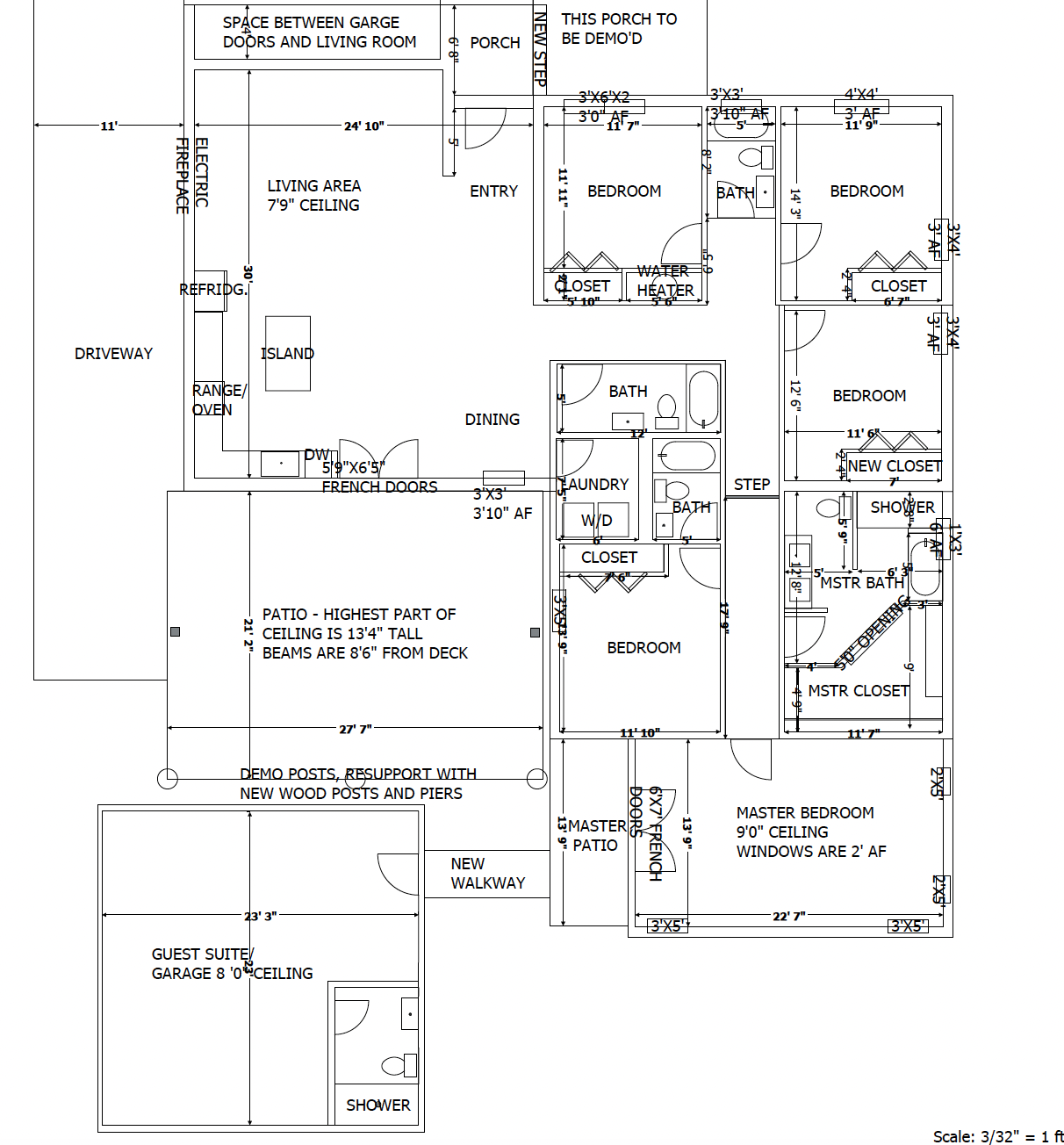
Why Your Next Flip Lives or Dies on the Floorplan

Why Home Staging Is One of the Smartest Investments You Can Make — Whether You're Selling, Renting, or Reimagining Your Space

Why We All Want to Travel More — And How to Actually Make It Happen Doing more of what we love doesn't have to stay on the someday list.
Ready to Love Your Home Again?
Stop living with spaces that don't work for you. Whether you need a complete redesign or just some expert guidance, We're here to help create the home you've always wanted.
Let's Create Your Dream Space
Ready to transform your home? Share your vision and we'll show you how we can bring it to life. Whether you're updating a single room or reimagining your entire space, we'll guide you through every step of the design process.