
View Quick Summary
If you've spent even one August in the Dallas–Fort Worth Metroplex, you know the drill: triple-digit heat, relentless sun, and an energy bill that makes your stomach drop. But here's the thing — those brutal conditions are also one of the best arguments for sustainable interior design that exists anywhere in the country. Because in DFW, sustainability isn't just a feel-good philosophy. It's a practical, money-saving, comfort-improving strategy that affects every room in your home.
In 2026, the conversation around sustainable design has matured well beyond recycled materials and low-VOC paint. Today's most thoughtful interiors are built around a holistic understanding of climate, longevity, health, and beauty — and nowhere is that conversation more relevant than in North Texas.
Designing Smarter: Sustainable Interiors for the North Texas Climate
What it really means to build and decorate responsibly when summer never seems to end.
March 2026 · Dallas–Fort Worth, Texas
If you've spent even one August in the Dallas–Fort Worth Metroplex, you know the drill: triple-digit heat, relentless sun, and an energy bill that makes your stomach drop. But here's the thing — those brutal conditions are also one of the best arguments for sustainable interior design that exists anywhere in the country. Because in DFW, sustainability isn't just a feel-good philosophy. It's a practical, money-saving, comfort-improving strategy that affects every room in your home.
In 2026, the conversation around sustainable design has matured well beyond recycled materials and low-VOC paint. Today's most thoughtful interiors are built around a holistic understanding of climate, longevity, health, and beauty - and nowhere is that conversation more relevant than in North Texas.
Think Climate-First When Choosing Materials
DFW sits in a humid subtropical zone with scorching summers great for boating that stretch from May through October. That means materials that look stunning in, say, a Pacific Northwest home may warp, fade, or deteriorate rapidly here. Sustainable design in a warm climate starts with choosing materials that are genuinely suited to their environment and reducing the need for replacements, repairs, or heavy climate control.
Porcelain tile and natural stone are exceptional choices for Texas floors - both for their thermal mass (they absorb heat during the day and release it slowly) and their longevity. Reclaimed wood, when properly sealed, adds character and reduces the demand for newly logged timber. Locally quarried limestone (from central Texas) - a material with deep roots in Texas architecture - is gaining fresh attention among DFW designers who want surfaces that age gracefully in the heat rather than against it.
DFW Design Tip
Opt for lighter-toned flooring materials near south- and west-facing windows. They reflect rather than absorb solar heat, reducing the load on your HVAC system during peak summer hours.
Biophilic Design: Bringing Nature In Without Baking It
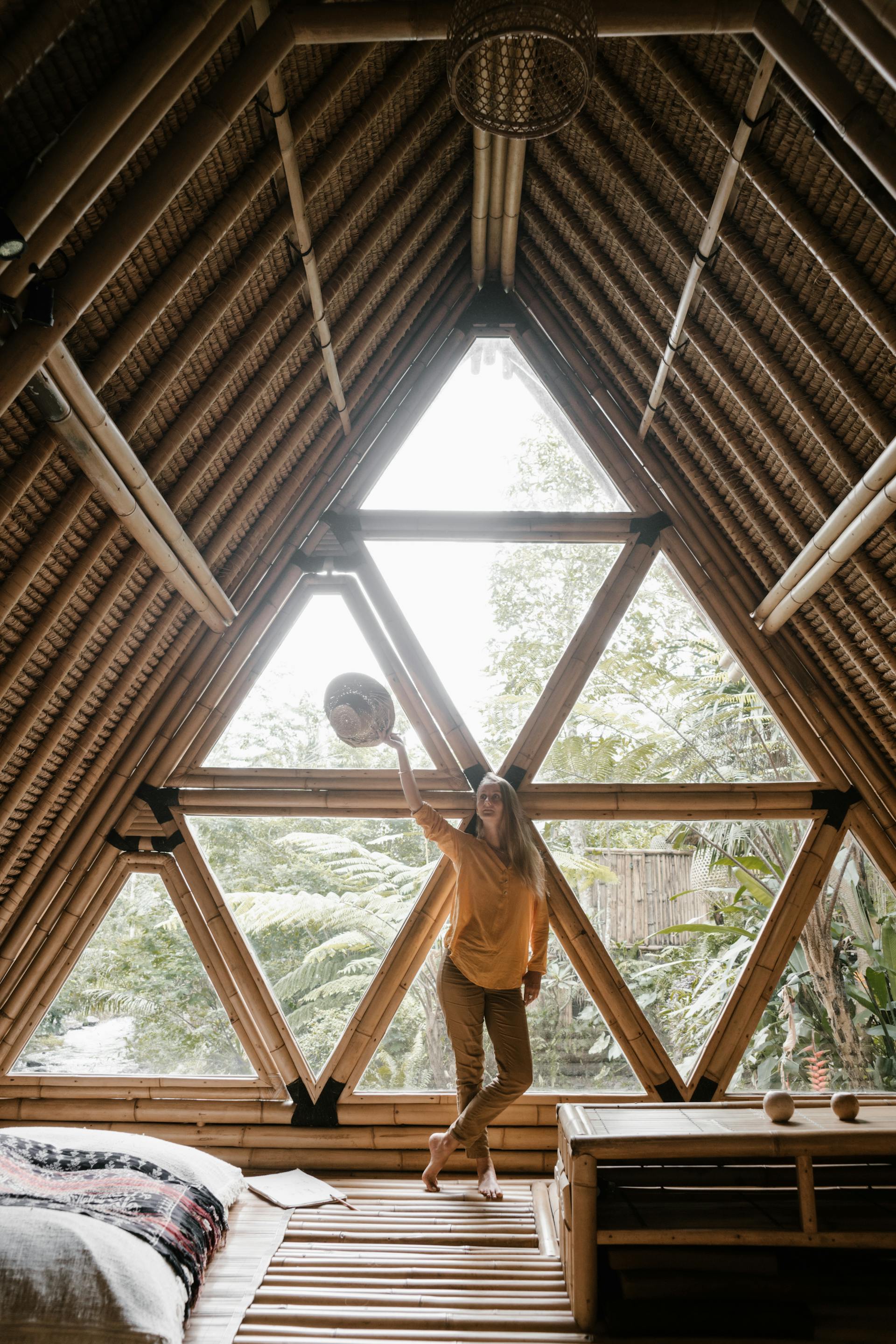
Biophilic design - the practice of weaving natural elements into interior spaces, is one of 2026's dominant global trends, and it's particularly meaningful in a climate like ours. The goal is to create a feeling of connection with the natural world even when stepping outside means melting into the pavement.
In DFW homes, this looks like: skylights positioned to draw in northern light without the brutal afternoon glare of west-facing windows; built-in planters stocked with drought-tolerant indoor varieties; limewashed walls that mimic the texture of natural stone; and reclaimed burl wood accents that bring warmth and organic texture without requiring a single new tree to be felled. The key distinction in a hot climate is being strategic — maximizing natural light from the right directions and selecting plant varieties that don't require constant humidity to thrive.
There's also a wellness case to be made here. Homes designed with biophilic principles - more natural materials, better airflow, connection to greenery - have been linked to lower stress levels and improved cognitive function. In a region where residents spend much of the year indoors to escape the heat, that matters more than most people realize.
"In North Texas, biophilic design isn't just about aesthetics - it's about creating interiors that feel restorative precisely because the outdoors can be so unforgiving for so much of the year."
The Indoor-Outdoor Equation, Reimagined
DFW homeowners have long prized outdoor living via covered patios, outdoor kitchens, fire features for cool winter evenings. But sustainable design is now prompting a smarter question: how do we design the transition between inside and outside in a way that doesn't blow our energy budget?
The answer, increasingly, is in the architecture itself. High-performance sliding glass walls with low-emissivity (low-E) glazing allow that seamless indoor-outdoor flow without turning your living room into a greenhouse. Retractable shades, deep roof overhangs, and covered pergolas designed to block the harsh southwest sun are all tools that reduce solar heat gain -one of the largest contributors to cooling costs in warm climates. When these elements are built in from the start, rather than retrofitted, they represent a significant and genuinely sustainable investment.
For interiors, this means thinking carefully about what faces which direction. Window treatments in 2026 lean toward layered, natural options — linen drapes, woven bamboo shades, and cellular blinds — that insulate while still feeling warm and textural rather than clinical.
Sustainable Cooling Strategies That Start With Design
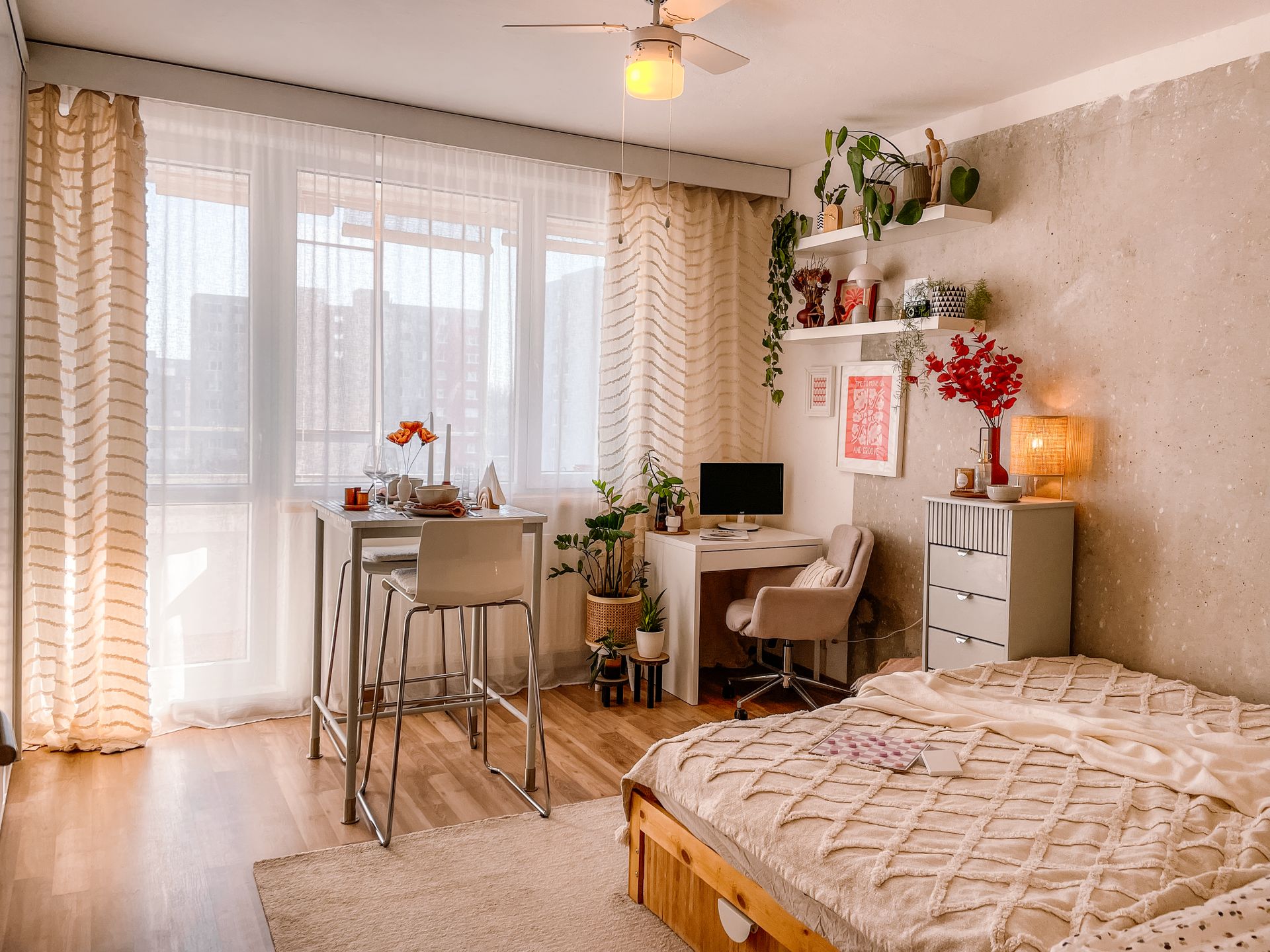
Here's something most interior design blogs won't tell you: one of the most impactful sustainable choices you can make in a DFW home has nothing to do with materials or furniture. It's airflow. Ceiling fans remain one of the most energy-efficient tools available and their placement, blade pitch, and size relative to room dimensions determine whether they actually work. A well-placed ceiling fan can make a room feel up to eight degrees cooler, allowing you to raise the thermostat setting without sacrificing comfort.
Beyond fans, smart thermostats paired with zoned HVAC systems are now standard in high-performance homes, and interior designers are increasingly factoring them into room layout conversations. Where you place furniture, how you position rugs, even the color of your walls — all of these affect how cool a room feels and how hard your HVAC has to work to get it there.
DFW Design Tip
Dark, heavily saturated wall colors absorb radiant heat. In south- or west-facing rooms, warm neutrals - creamy whites, sandy taupes, soft terracottas - keep spaces feeling cooler while still delivering the earthy richness that's trending in 2026.
Indoor Air Quality: The Overlooked Frontier
DFW ranks among the most challenging metro areas in the country for air quality, with ozone and particulate concerns that spike in summer heat. That makes indoor air quality a genuine sustainability and health consideration - not just a marketing checkbox. And yet many conventional interior finishes actively make it worse.
Volatile organic compounds (VOCs) off-gas from standard paints, adhesives, synthetic flooring, and many furniture pieces — and they do so more aggressively in heat. In a Texas home that's sealed tight against summer temperatures, those compounds have nowhere to go. The sustainable solution is multi-layered: choosing low- or zero-VOC paints and finishes, selecting solid wood or natural fiber furniture over particleboard pieces with formaldehyde-based binders, and incorporating materials like cork and wool that are naturally antimicrobial.
Houseplants play a supporting role here too - certain varieties, from pothos to peace lilies, filter airborne toxins and add humidity to spaces that can become uncomfortably dry under constant air conditioning. Designing planters and shelving into a room's architecture from the start, rather than treating plants as an afterthought, is a growing priority among sustainability-minded DFW designers.
Buy Less, Buy Better: The Longevity Principle
Perhaps the most quietly radical shift in sustainable interior design in 2026 is the turn away from fast furniture. The model of cheap, disposable home goods that are purchased seasonally and discarded frequently is increasingly recognized as environmentally catastrophic and, in a warm climate like DFW's, practically problematic. Low-quality pieces simply don't hold up to the expansion and contraction caused by Texas temperature swings, or to the UV degradation that accelerates in a region with 230-plus sunny days per year.
The countermovement is buying fewer, better things: heirloom-quality pieces in natural materials that are designed to last decades rather than years. Performance fabrics that resist fading and humidity without looking synthetic. Locally crafted furniture from Texas artisans that reduces shipping emissions and supports the regional economy. Antique and vintage pieces that have already proven their durability and carry zero manufacturing footprint.
This isn't just environmentally sound - it's economically sound. A single well-made sofa in performance leather, properly cared for, outlasts four or five fast-furniture replacements. The math, and the ethics, are increasingly hard to argue with.
Putting It All Together
Sustainable interior design in DFW isn't about sacrifice or compromise. It's about designing smarter for the specific reality of where you live - a place with extraordinary sunshine, intense heat, rapidly expanding neighborhoods, and a growing community of homeowners who want their spaces to be as responsible as they are beautiful.
The best sustainable interiors in North Texas in 2026 are the ones that work with the climate rather than against it: drawing on local materials, managing light and airflow deliberately, prioritizing air quality and longevity, and choosing quality over quantity at every opportunity. They're warm, personal, and deeply considered - and they'll feel just as right a decade from now as they do today.
Because in the end, the most sustainable thing a home can be is one you never want to leave, and we can help you with that!
Keywords: Biophilic DesignEnergy EfficiencyHeat ManagementReclaimed MaterialsIndoor Air QualityLocal Sourcing
Check Out Some Of Our Other Blogs
Ready to Love Your Home Again?
Stop living with spaces that don't work for you. Whether you need a complete redesign or just some expert guidance, We're here to help create the home you've always wanted.
Let's Create Your Dream Space
Ready to transform your home? Share your vision and we'll show you how we can bring it to life. Whether you're updating a single room or reimagining your entire space, we'll guide you through every step of the design process.